

Description
- High-concerned chemical: None
- Language: English
- Age: Adult
- Condition: New
- Origin: Mainland China
1. Book Introduction
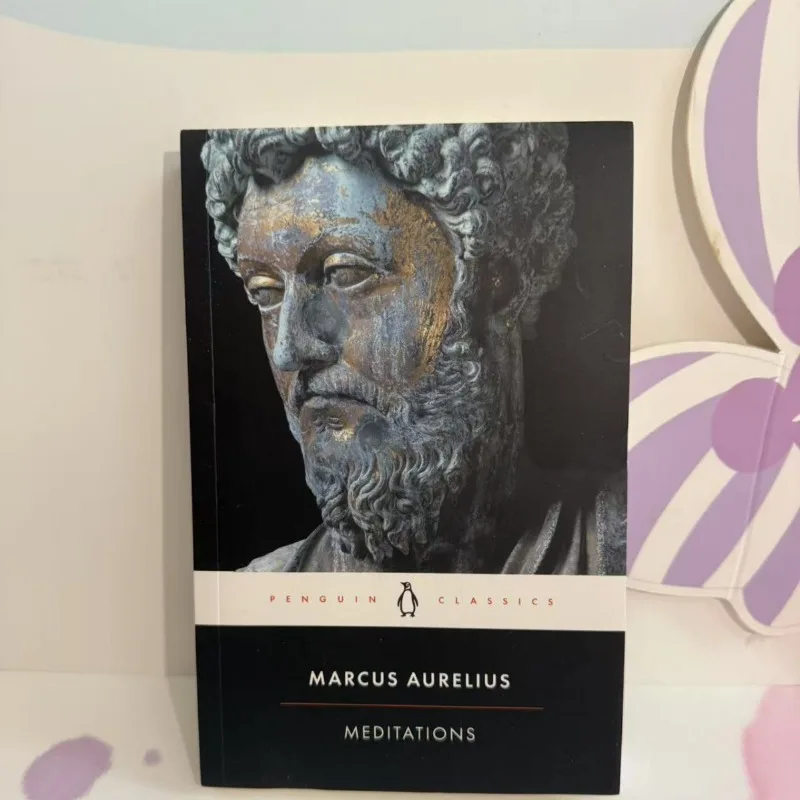
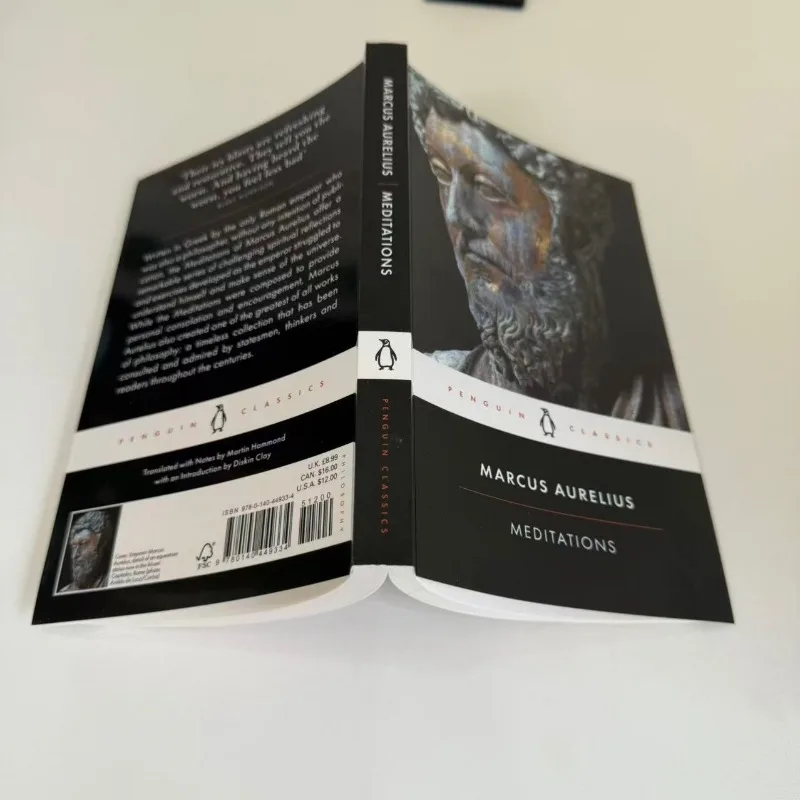
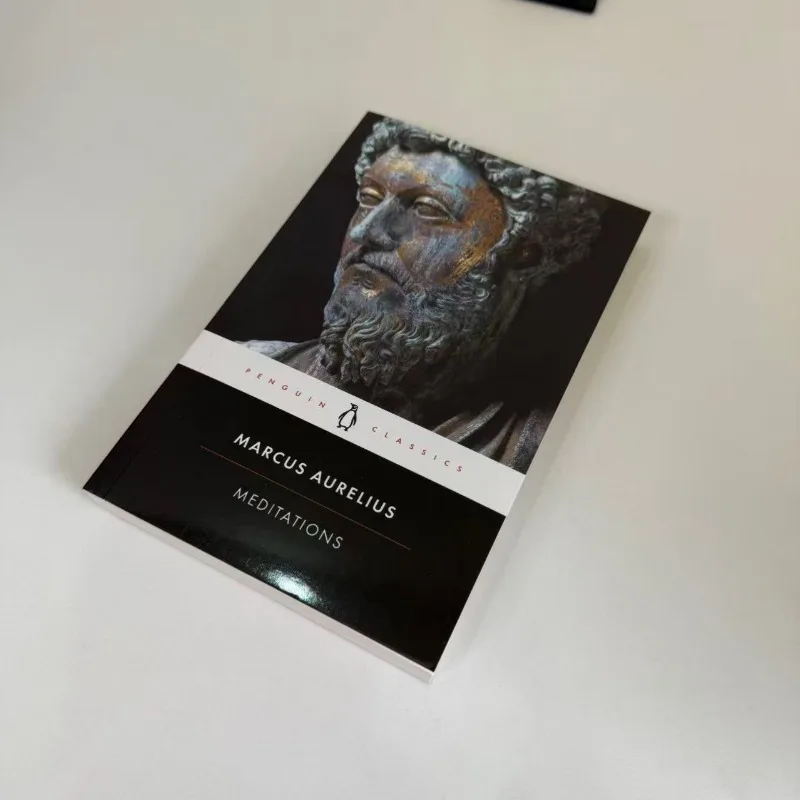
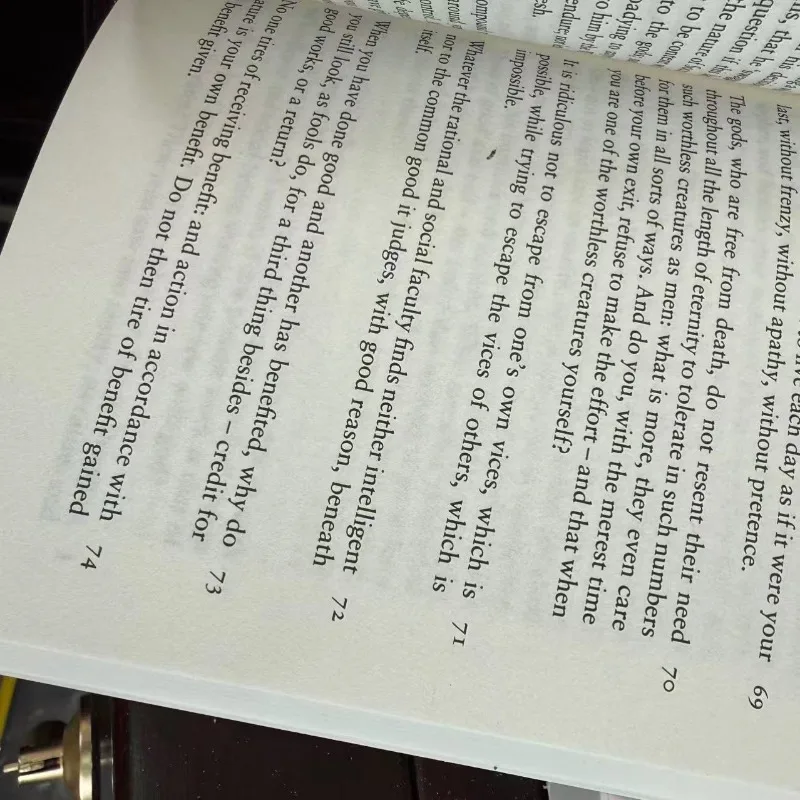
Meditations "is a personal note and philosophical diary written in Greek by Emperor Marcus Aurelius, one of the" Five Wise Emperors "of the ancient Roman Empire, during his military career. It is not written for publication, but rather the author's daily practice of practicing Stoic philosophy. The book consists of a series of short proverbs, reflections, and self warnings, documenting how he strives to maintain inner peace, morality, and rationality in the face of war, politics, illness, betrayal, and personal pain. This is the ultimate guide on how to navigate through a chaotic world.
2. Author's original name
Marcus Aurelius Antoninus. He was the Emperor of the Roman Empire (reigned 161-180 AD) and also a staunch Stoic philosopher.
3. Essence of Conclusion
Meditations does not have a traditional conclusion, but its core spirit that runs through it can be seen as an ultimate philosophy of life:
Focus on controllable things: concentrate your energy entirely on what you can control – your thoughts, judgments, and actions – and accept everything you cannot control (external events, others' words and actions) with equanimity.
Rationality and Virtue Supremacy: The universe is rational (logos), and as rational beings, the ultimate goal of humans is to live according to their nature and virtues. Justice, courage, moderation, and wisdom are the inner fortresses.
Impermanence and Acceptance: Everything changes, everything is fleeting. Accept the arrangement of fate as a natural part, rather than a personal injustice.
Serving the community: Human beings are social beings who should strive for common interests, uphold benevolence and justice towards others, even if they behave improperly.
Death is a natural process: facing death, it is only one of the natural elements that make up life, should not be feared, but should be considered how to live with dignity in a limited life.
Final conclusion (spirit):
The ultimate wisdom of this book lies in the fact that true freedom and tranquility do not come from changing the world, but from understanding and responding to it with a rational, virtuous, and persevering attitude. It teaches us that in the midst of the chaos of the outside world, one can always retreat to the rational castle within, maintaining the order and tranquility of the soul. The art of philosophy lies in being ready at all times to embrace everything that fate assigns to you


Additional information
| Volume | 1 |
|---|---|
| High-concerned chemical | None |
| Language | English |
| Age | Adult |
| Condition | New |
| Origin | Mainland China |
Vendor Information










Reviews
There are no reviews yet.